

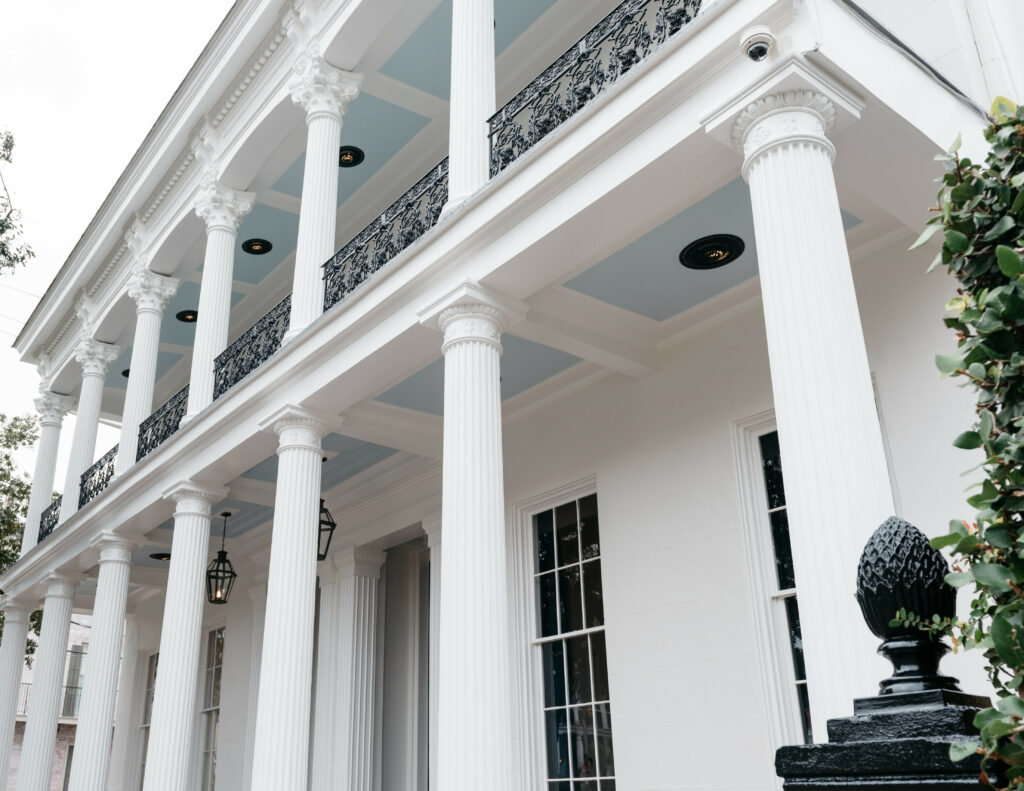
How New Orleans Homes Stayed Cool Before Air Conditioning

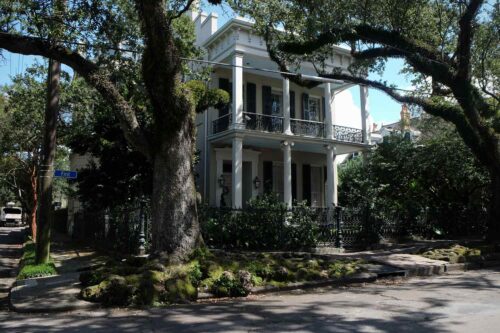
It’s hard to imagine living through a New Orleans summer without air conditioning. On days when the heat index climbs into the triple digits, and the humidity feels like a wet blanket, most people head straight indoors and crank the thermostat down.
But air conditioning wasn’t common in homes until the mid-1900s. Before that, people had to rely on the way their homes were built and a few simple tricks to make the heat a little easier to live with.’
Take a look around some of New Orleans’ older neighborhoods, and you’ll still see many of those features today.
Many older homes were built with high ceilings and large windows. The high ceilings helped keep some of the heat farther away from where people spent their time, while the windows made it easier to catch whatever breeze happened to come through. On cooler mornings and evenings, windows were often opened to let fresh air move through the house.
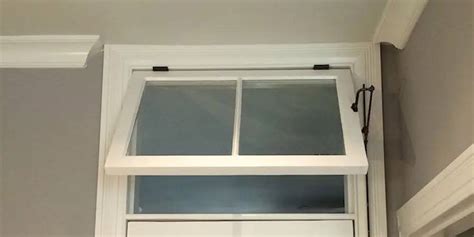
Another feature you’ll find in many older New Orleans homes is transom windows above doors and tall windows throughout the house. They weren’t there just for looks. They helped hot air escape and allowed more airflow through the home. Before air conditioning, that extra airflow helped make homes a little more comfortable during the summer.
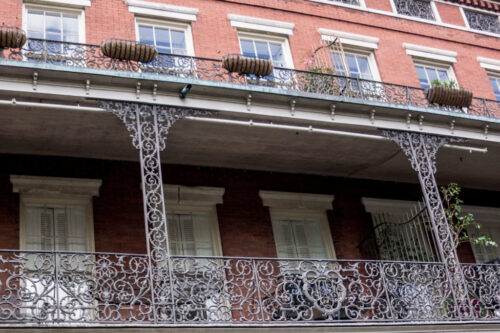
Covered porches were another common sight. The famous cast iron galleries in the French Quarter were to keep houses cooler. They gave people a place to sit outside without being directly in the sun and helped keep sunlight from beating down on parts of the home all day long.
The trees helped too. Large oak trees weren’t just beautiful. They provided shade for homes, yards, and porches. Anyone who’s parked a car under a giant oak tree in July knows the difference shade can make.
Many New Orleans homes were also built off the ground. Most people think of that as protection from flooding, but it also allowed air to move underneath the house instead of trapping heat around it.
Life itself looked a little different back then. People often planned outdoor work for early in the morning before the worst heat arrived. During the hottest part of the afternoon, it wasn’t unusual to slow down, stay inside, or spend time on a shaded porch until temperatures started to ease up later in the day.
Nights could be just as challenging as the daytime heat, and sleeping through a New Orleans summer wasn’t always easy. Many families slept with windows open to catch whatever breeze they could, and later relied on electric fans to keep air moving through the house. While it helped, New Orleans summers were still hot, humid, and uncomfortable, especially during long stretches of extreme heat.
As electricity became more common, fans became a popular way to make New Orleans summers a little more bearable. They didn’t actually cool the air, but they helped keep air moving, which could make a hot room feel more comfortable.
Before refrigerators were common, many families also had ice delivered to their homes and stored it in iceboxes. Some people would place ice near a fan or open window to help create a cooler breeze. It wasn’t anything close to modern air conditioning, but when temperatures climbed, people used whatever they could to get a little relief from the heat.
These tricks didn’t make a New Orleans summer feel cool by today’s standards. It was still hot, sticky, and uncomfortable at times. But together, they helped people get through the season long before central air conditioning became part of everyday life.
Interestingly, many of those same ideas still help today. Shade trees, ceiling fans, attic ventilation, and good airflow can all help reduce some of the strain on an air conditioning system.
Air conditioning changed life in New Orleans in a big way, but some of the methods people relied on generations ago are still helping homeowners stay comfortable today.








Nice concise overview — I loved the description of transom windows and galleries. Do any of those older passive cooling features still influence modern New Orleans home renovations, or are they mostly preserved for historic value?
I would say for historic value.